Artificial Intelligence (AI) didn't just pop up overnight; it has a rich history stretching back to the mid-20th century. Imagine a world where machines could think, learn, and adapt. That's the dream that sparked the first ideas of AI. It all started at Dartmouth College in 1956 when a group of bright minds came together. They believed machines could mimic human intelligence, and that’s when the term "artificial intelligence" was born.
In those early days, the focus was on solving problems and developing algorithms that could process data. Researchers built simple programs that could play games or solve math problems. These were the first baby steps for AI, but they felt like giant leaps. Progress was slow, partly because the computers of that time were pretty limited. Still, the excitement pushed scientists to keep exploring and experimenting.
The 1970s and 1980s brought a wave of optimism known as the “AI spring.” New techniques emerged, like neural networks, which were inspired by how our brains work. While some cool stuff came out of this era, it wasn't all smooth sailing. The technology still had its limits, and funding started to dry up, leading to what we now call the “AI winter.”
But the spirit didn’t die out. Researchers kept tinkering, and interest in AI revived with the rise of better technology and data availability in the late 1990s and 2000s. Suddenly, computers could process vast amounts of information, and machine learning became a game changer. AI started making real strides in everyday applications, from recommendation systems to voice assistants. The world was ready to embrace the future.
Early Innovations in Machine Learning
Machine learning has come a long way, but its roots stretch back to the mid-20th century. Early pioneers had wild ideas about teaching machines to learn from data instead of just following hard-coded rules. This thinking laid the groundwork for what we now know as artificial intelligence.
One of the first big wins for machine learning happened with something called the Perceptron back in 1958. Developed by Frank Rosenblatt, this model mimicked how our brains work—kind of like having a tiny brain of its own! The Perceptron was used to recognize patterns, like distinguishing between different shapes or letters.
Then came the 1980s, which sparked another wave of excitement. Researchers started using neural networks that represented more complex structures. These networks allowed machines to learn from a vast amount of information, making them smarter over time. This was a game-changer for tasks like image and speech recognition.
All this early innovation set the stage for what was to come. People began to realize that with enough data and computing power, machines could do some pretty amazing things. This laid the foundation for the explosion of AI technologies we’re seeing today. The blend of curiosity, experimentation, and creativity really pushed the boundaries of what machines could achieve!
Key Figures in AI Development
When we talk about the rise of artificial intelligence, it’s hard to ignore the key figures who made a big impact. These pioneers pushed boundaries and sparked ideas that changed everything. Let’s take a look at a few of them.
First up is Alan Turing. He’s often called the father of computer science, and for good reason. Turing proposed the idea of a machine that could mimic human intelligence. His famous Turing Test still helps us figure out if a machine can think like a human. Talk about groundbreaking!
Next on the list is John McCarthy. He’s the guy who coined the term "artificial intelligence" back in 1956. McCarthy organized the Dartmouth Conference, which is often seen as the start of AI as a field. He also created the programming language LISP, which became a staple for AI research. His contributions really got the ball rolling.
Don’t forget about Marvin Minsky. He co-founded the MIT Media Lab and was a key figure in early AI research. Minsky explored how machines could learn and think. His work laid the groundwork for many AI systems we see today. It’s amazing how his ideas are still relevant.
Last but definitely not least is Geoffrey Hinton. Known as the "godfather of deep learning," Hinton revolutionized AI with his work on neural networks. His research has pushed AI into the spotlight, sparking advancements in everything from language processing to image recognition. Thanks to him, we’re seeing AI do incredible things.
How AI Changed Everyday Life
AI has really changed the way we live our everyday lives, sometimes in ways we don’t even notice. Think about your smartphone. It’s packed with smart assistants that help set reminders, answer your questions, or even control your smart home devices. Just say a word, and you’ve got a little helper ready to go!
Then there’s online shopping. Most sites use AI to recommend products just for you based on your browsing history and preferences. Have you ever noticed how suggestions pop up? That’s AI helping you find exactly what you might want next. It makes shopping easier and even kind of fun!
Let’s not forget how AI has crept into our social media feeds. Platforms analyze what you like and engage with to show you posts that align with your interests. It’s like having a personal curator for your social life, keeping you updated on what matters to you without all the extra noise.
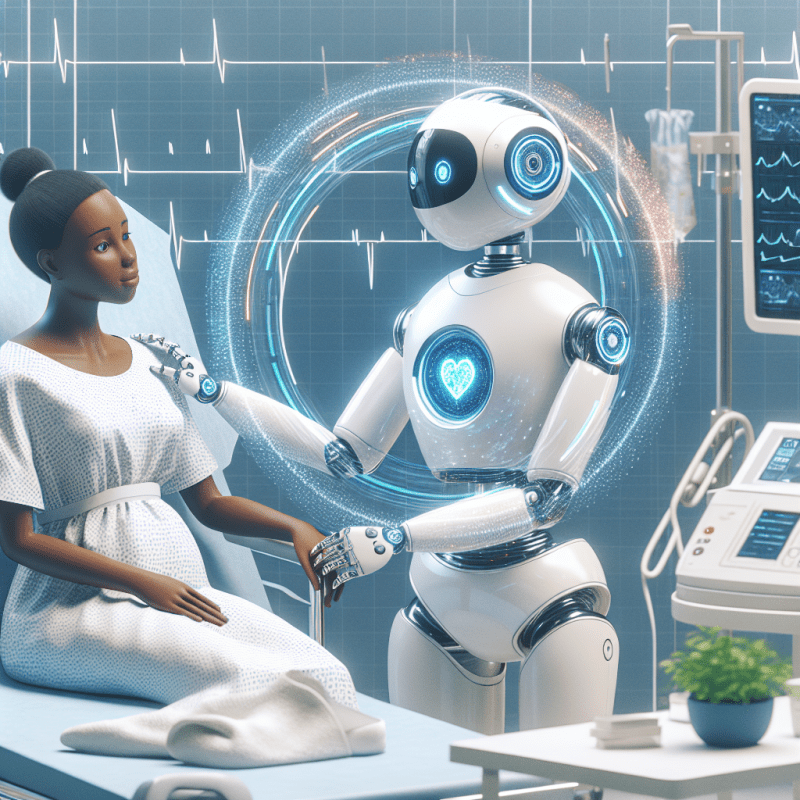
Even in healthcare, AI is making waves. From apps that monitor your health to algorithms that help doctors diagnose faster, it’s improving the way we receive care. It’s impressive how these technologies can assist in making our lives healthier and simpler.