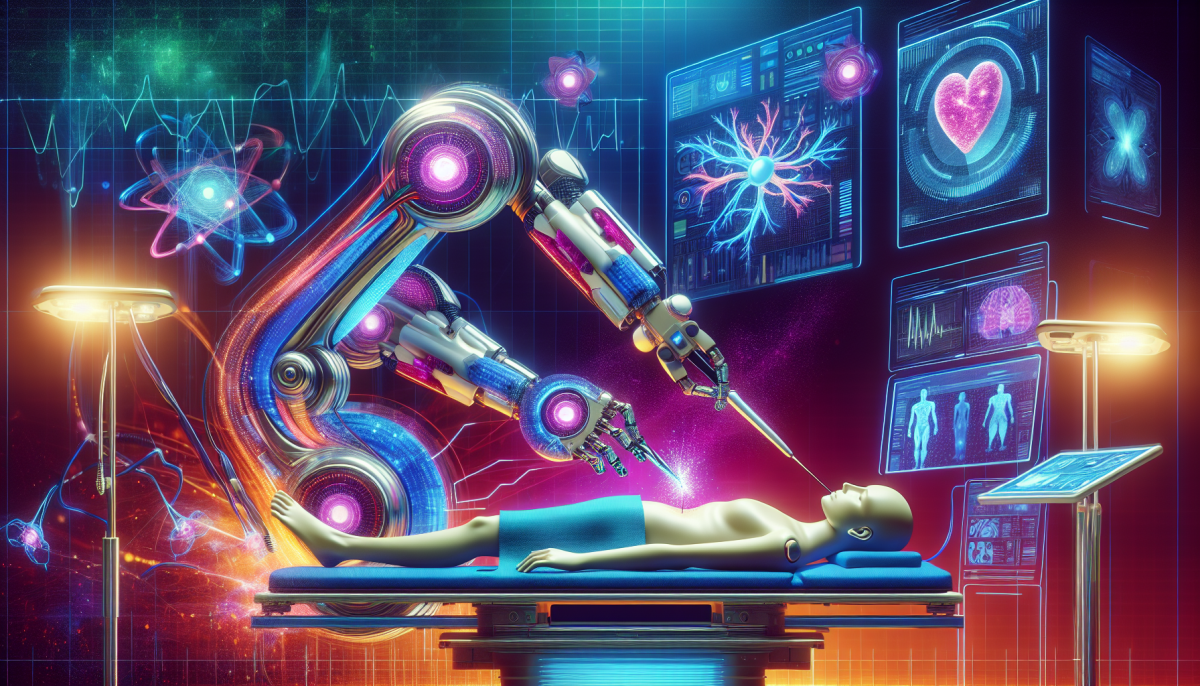
AI is shaking things up in patient care, and it's pretty exciting. Imagine having a tool that helps doctors diagnose faster and more accurately. AI systems analyze medical images, lab results, and patient history in record time. Instead of spending hours on this stuff, healthcare professionals can focus on you and your needs.
One cool example is AI chatbots. These little helpers answer your health questions 24/7. You can ask about symptoms, find out when to see a doctor, or even check in on your medications. This makes it super easy to get reliable information without waiting for an appointment.
Then there are personalized treatment plans. Using AI, doctors can track a patient’s progress and adapt their care on the fly. If something isn’t working, AI can suggest tweaks based on real data, making it easier to find what works best for you.
AI also helps with patient monitoring. Wearable tech and remote sensors gather data about your health, like heart rate and activity levels. This info gets analyzed quickly, so if something seems off, healthcare teams are alerted right away. This proactive approach can catch issues before they become serious.
Transforming Diagnosis and Treatment Methods
AI technology is shaking things up in healthcare, especially when it comes to diagnosis and treatment. Imagine walking into a doctor’s office and having a machine analyze your symptoms in seconds. Sounds like science fiction, right? But it’s happening now! AI algorithms can quickly sift through mountains of data, spotting patterns that humans might miss. This means more accurate diagnoses and less time spent in uncertainty.
With AI, doctors get a powerful tool to help them make decisions. Instead of relying solely on experience, they can access an AI’s insights on similar cases. This leads to personalized treatment plans tailored just for you. Whether it’s selecting the right medication or deciding on a treatment path, AI can present options based on what’s worked for others like you.
But AI’s influence doesn’t stop there. It also helps in monitoring patients. Wearable tech can relay real-time health data back to doctors, allowing for timely adjustments in treatment. This proactive approach can prevent complications and improve recovery times, which is a huge win for everyone involved. Patients feel more in control, and doctors can provide better care.
On the research side, AI speeds up drug discovery. It can analyze chemical compounds and predict how they’ll interact within the body. This can cut down on the time it takes to bring new treatments to market. Less development time means patients get new therapies faster, which is exciting for conditions that need urgent solutions.
Enhancing Data Management and Security
Data management and security are massive deals in healthcare. With tons of sensitive patient information floating around, it’s crucial to keep everything safe and organized. AI technology steps in here like a superhero, making it easier to handle data while keeping it locked down tight.
Imagine AI tools that can sort through mountains of data in seconds. These tools can identify patterns and trends that humans might miss. This means doctors can make smarter decisions based on real-time data analysis. Plus, AI helps to streamline record-keeping, so healthcare providers can focus on what really matters: patient care.
On the security side, AI has your back. With advanced algorithms, it can spot unusual activity that might indicate a data breach. Think of it as a security guard that never sleeps. This means healthcare organizations can respond quickly to threats, keeping patient information safe and sound.
Another cool feature is AI's ability to predict potential risks. By analyzing past data, AI can identify factors that could lead to security issues. This proactive approach helps healthcare organizations strengthen their defenses before problems arise. When it comes to patient data, being one step ahead is a game-changer.
The Future of AI in Healthcare Solutions
AI is changing the way we approach healthcare, and the future looks bright. Imagine a world where doctors have real-time insights into your health, thanks to smart algorithms analyzing data faster than any human can. That's happening now. AI tools are helping with everything from diagnosing diseases to predicting patient risks, making treatments more personalized and effective.
One of the coolest developments is in medical imaging. AI can quickly analyze X-rays, MRIs, and CT scans, catching details that might be missed by the naked eye. This means earlier detection of conditions like cancer, which can save lives. Patients get answers faster, and doctors can make better decisions based on accurate data.
On top of that, AI is also streamlining administrative tasks. Scheduling appointments, managing patient records, and billing—these time-consuming chores can be automated. That means healthcare providers can focus on what really matters: patient care. It frees up time for doctors and nurses to spend more time with their patients, improving overall satisfaction.
And let’s not forget telemedicine. With AI, virtual consultations become smarter. Chatbots and virtual assistants can help triage patients, answer questions, and collect information before a doctor steps in. This enhances the patient experience and keeps things efficient.
Overall, the future of AI in healthcare is about making everything more efficient and patient-friendly. With ongoing advancements, it's exciting to think about how much better and faster we can manage health and wellness.